
Home » Facial Electrolysis
Facial electrolysis in Dubai – permanent hair removal for every hair type
The only FDA-approved method of permanent hair removal – now available for every facial area, every hair colour and every skin tone.
- Removes fine, light, grey and dark hair that laser cannot treat
- Safe for all skin types – no risk of burns or hyperpigmentation
- Destroys each hair follicle individually for results that last
- Complimentary cataphoresis after every session to calm the skin
- Clinic in Dubai with strict sterility standards and disposable probes

Why electrolysis is the best choice for facial hair removal
Works on all hair colors
Laser targets melanin, so it struggles with light, red, grey and fine vellus hair. Electrolysis delivers a precise electrical current directly into the follicle – hair colour and thickness are irrelevant. If the hair is visible, it can be removed permanently.
The only FDA-approved permanent method
Laser hair removal is classified as permanent hair reduction. Electrolysis is the only method the FDA has approved as permanent hair removal. The distinction matters: reduction means some follicles recover over time, while electrolysis destroys them completely.
Safe for all skin tones
Laser devices rely on contrast between skin and hair pigment. On darker skin tones, this creates a real risk of burns and post-inflammatory hyperpigmentation. Electrolysis bypasses pigment entirely – the current reaches the follicle through a thin probe inserted alongside the hair shaft, leaving surrounding skin untouched.
Precision for delicate facial areas
Each follicle is treated one by one. This level of control allows an electrologist to shape a brow line down to a single hair, clear fine hairs along the lip without affecting skin texture, or define a clean hairline at the neck. No other removal method offers this precision on the face.
Why clients in Dubai choose our clinic
Our electrologists focus exclusively on electrolysis – no split attention between laser, waxing or other treatments. Years of daily practice on facial areas mean faster sessions, fewer missed follicles and better results.
Every session uses a fresh, single-use disposable probe. Instruments are sterilized between appointments, and treatment rooms follow medical-grade sanitation protocols – a non-negotiable standard in a hot, humid climate where infection risk rises.
We use professional-grade devices that support both thermolysis and the blend method. Your electrologist selects the modality based on your hair type, skin sensitivity and the facial area being treated – not a one-size-fits-all approach.
Before your first session, we assess the treatment area, hair growth pattern, skin type and any relevant factors like hormonal conditions. The number of sessions, interval between appointments and expected timeline are mapped out upfront – no vague promises.
Facial skin is sensitive. We adjust current intensity to your comfort level, work in short focused intervals and offer numbing cream application before the procedure. Every session ends with cataphoresis – a soothing current that reduces redness and calms the skin immediately. This step is included free of charge at Chic & Smooth.
The clinic is easy to reach from major residential and business districts. Appointments are scheduled to minimise wait times, so a lunch-hour session is entirely realistic.
Qualified Specialists

Master Expert Technologist Experience: 5+ years Specialization: facial, bikini, and leg electrolysis

Master Expert Technologist Experience: 5+ years Specialization: facial, bikini, and leg electrolysis
Master Expert Technologist Experience: 5+ years Specialization: facial, bikini, and leg electrolysis
Master Expert Technologist Experience: 5+ years Specialization: facial, bikini, and leg electrolysis
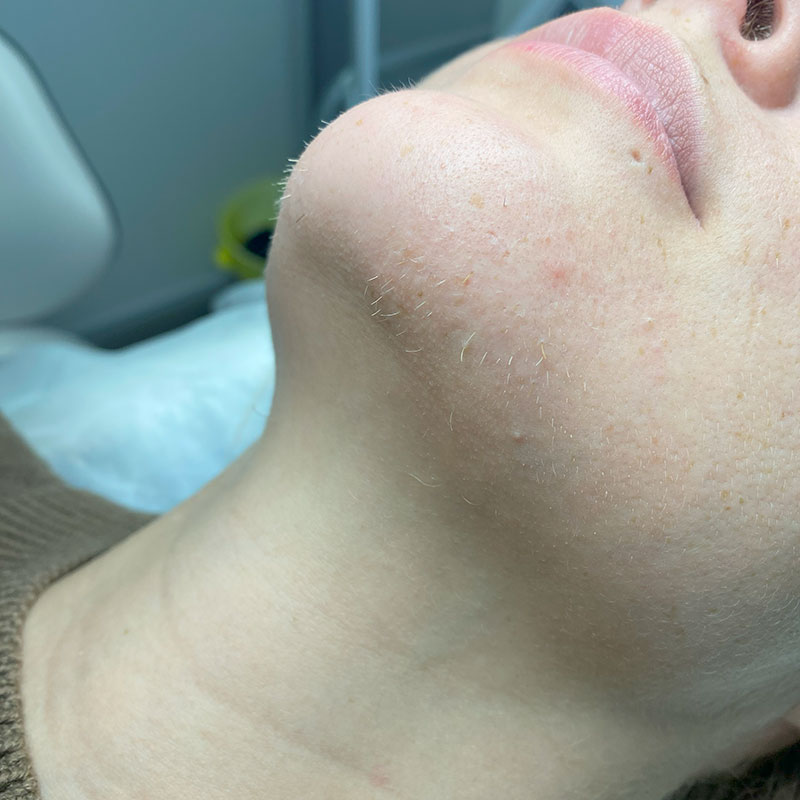
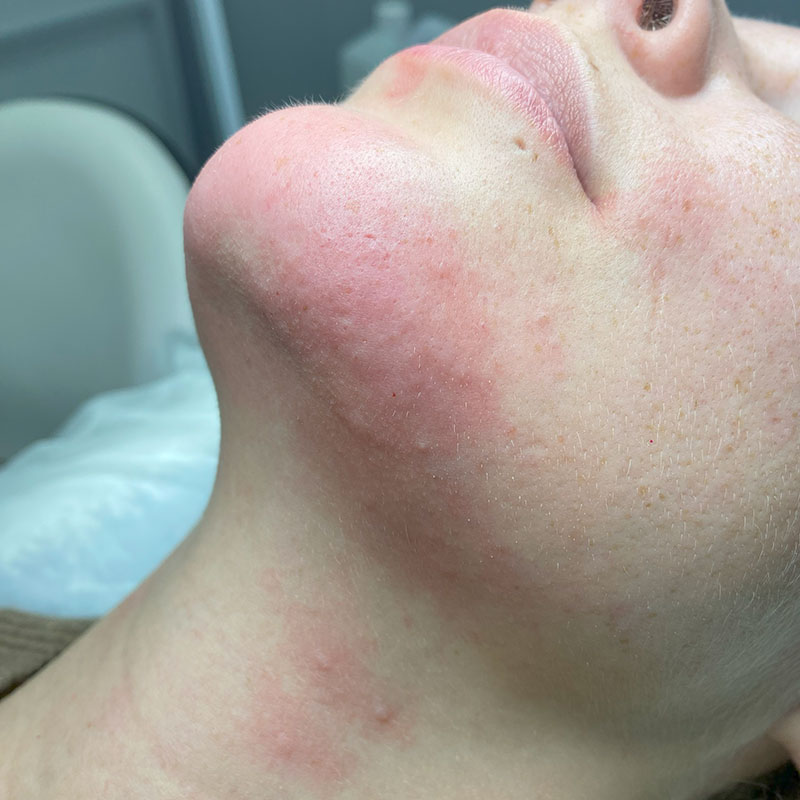
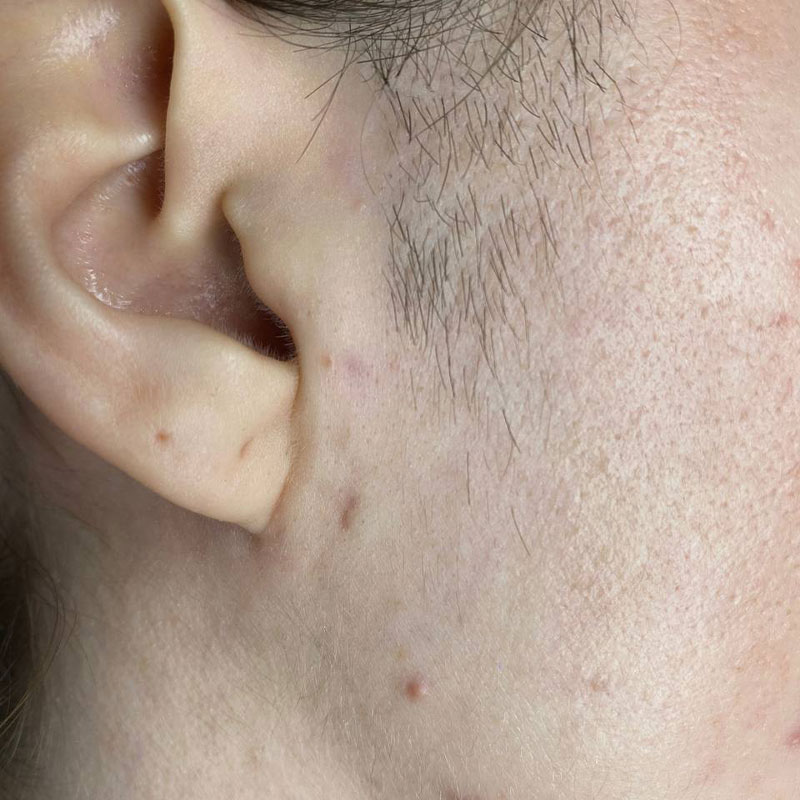
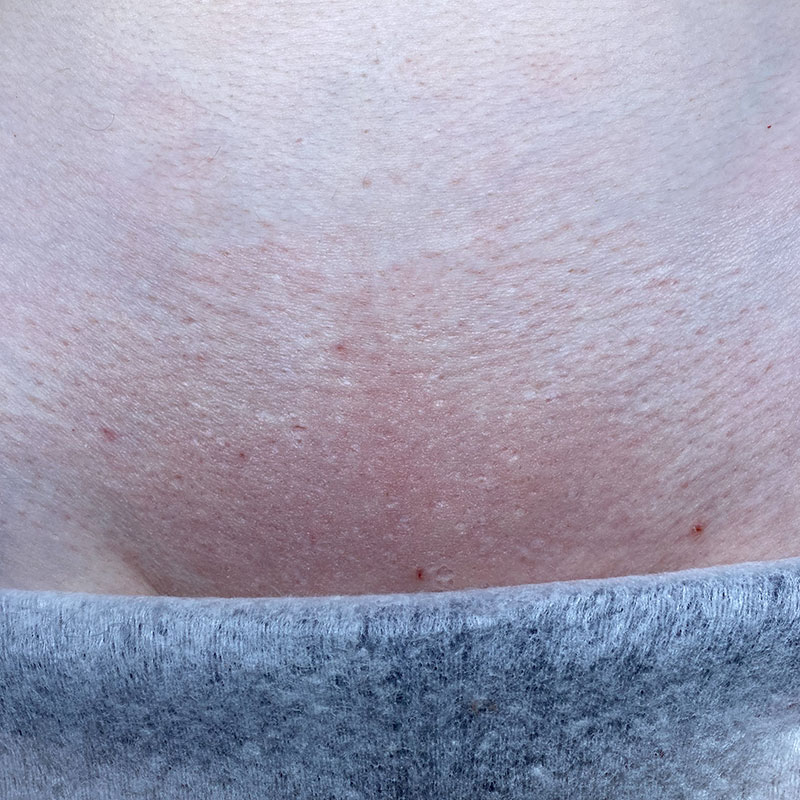
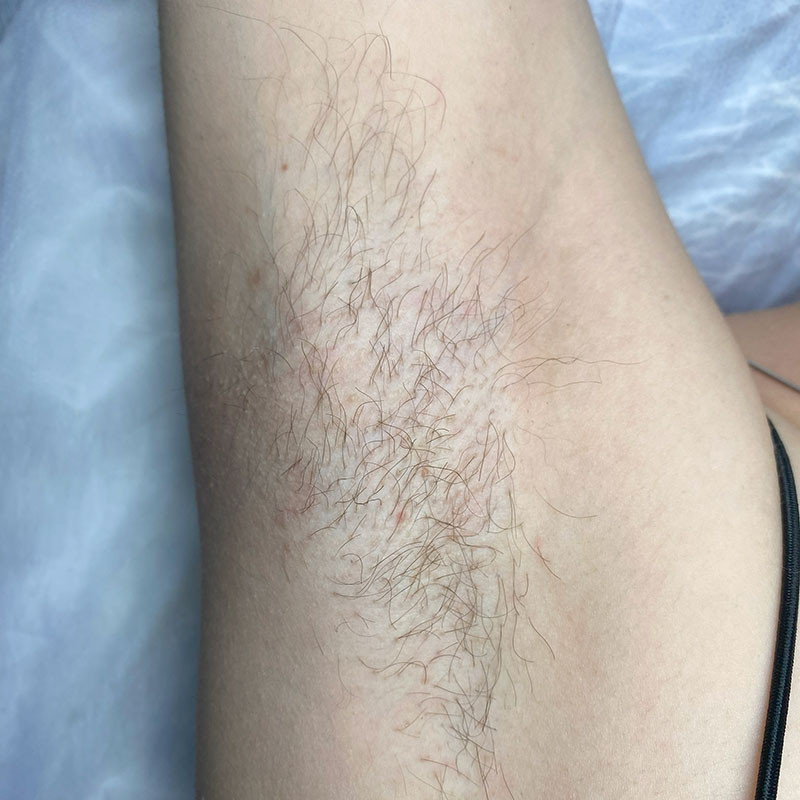
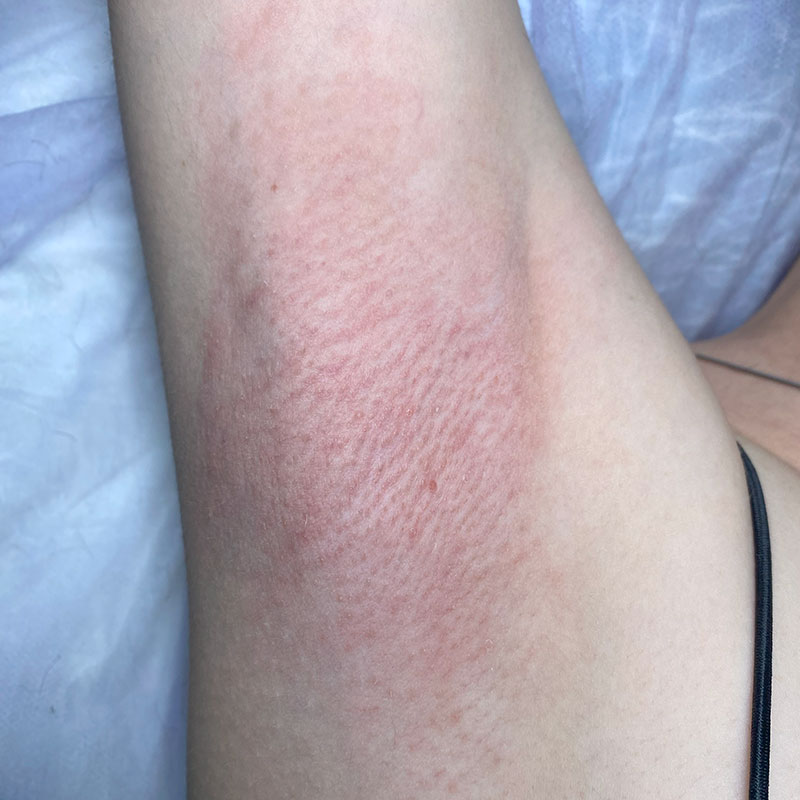
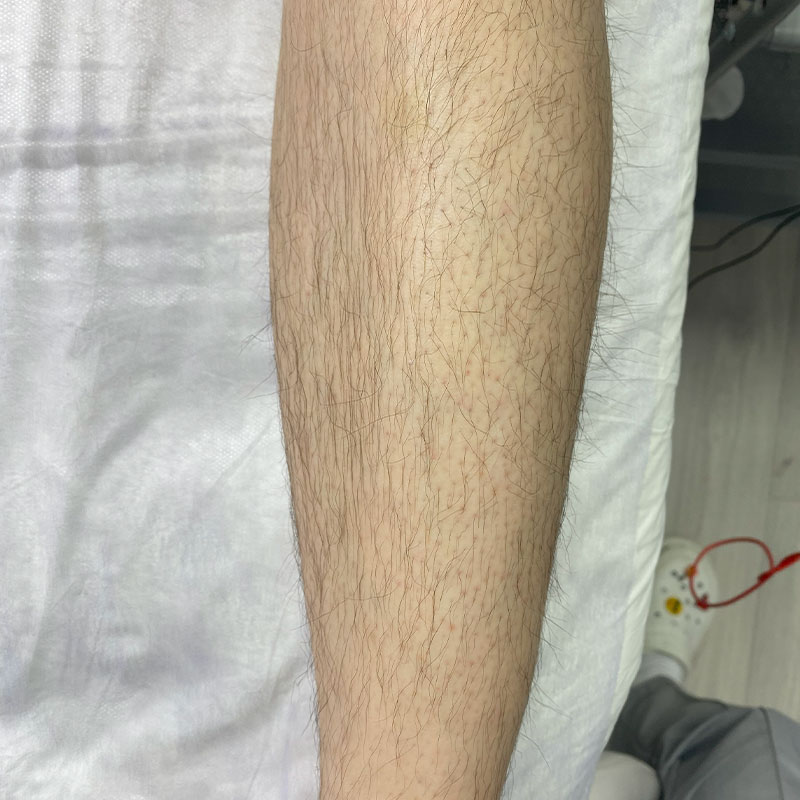
Facial areas we treat with electrolysis
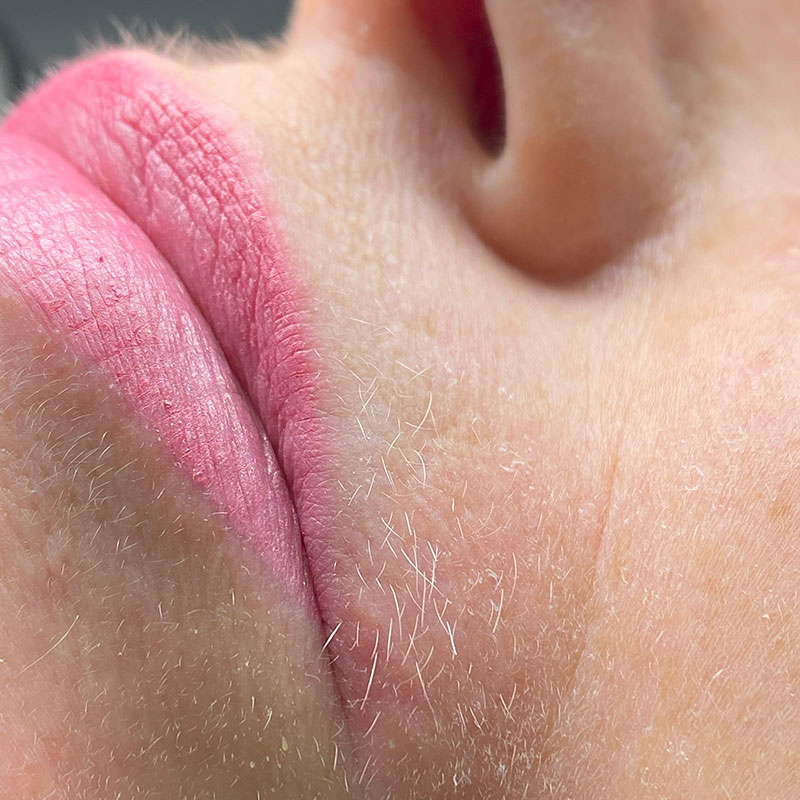
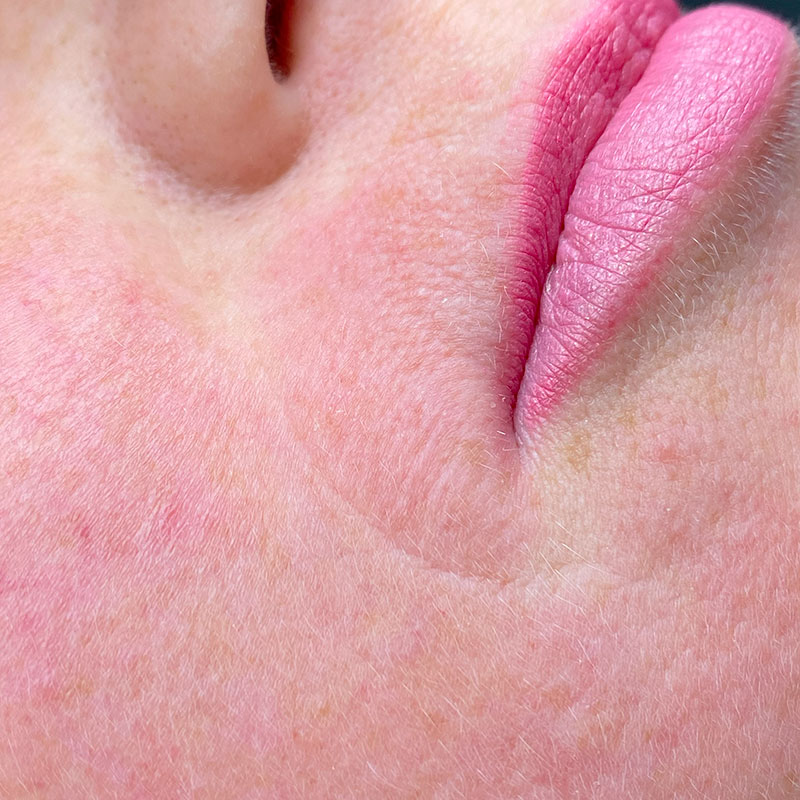
Upper lip
The most common facial area for unwanted hair – and one of the hardest for laser to treat. Upper lip hairs are often fine, light or vellus, which makes them nearly invisible to laser wavelengths. Electrolysis removes them permanently, session by session, with no risk of stimulating thicker regrowth.
Chin and jawline
Coarse, dark hairs on the chin are frequently hormone-driven – a hallmark of PCOS or menopausal changes. These hairs tend to grow back stubbornly after waxing, threading or laser treatment sessions. Electrolysis destroys the follicle at the root, stopping regrowth from that follicle for good.
Eyebrow shaping
Tweezing and threading offer temporary results and require upkeep every few weeks. Electrolysis removes individual hairs along the brow line permanently, locking in the shape you want. Ideal for stray hairs between or above the brows that keep growing back.
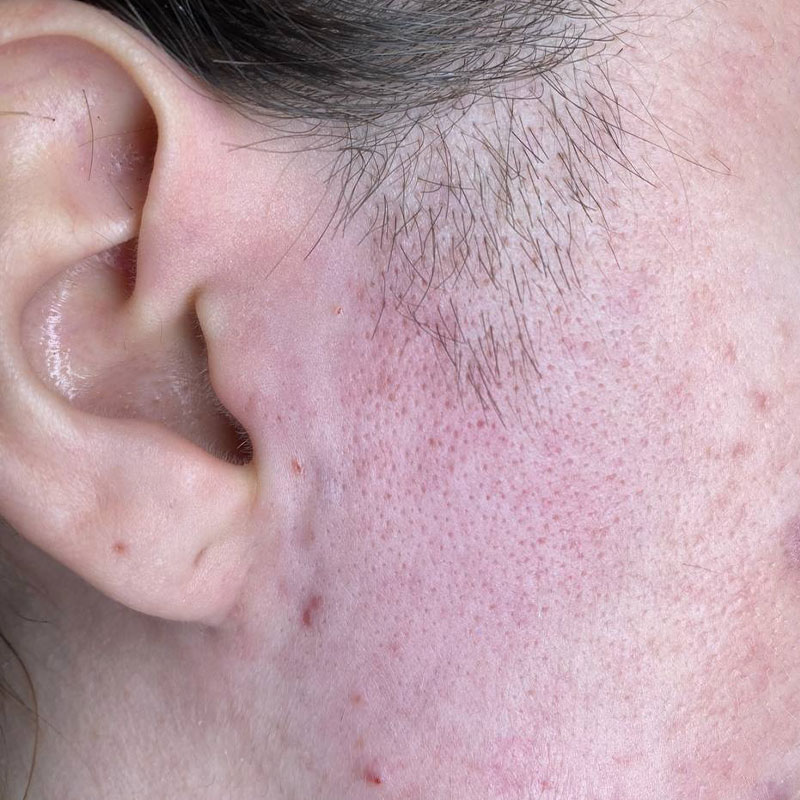
Sideburns and cheeks
Unwanted hair on the cheeks or along the sideburn area affects skin texture perception and can be difficult to manage with temporary methods. Electrolysis clears these areas without chemicals, heat damage or irritation – the skin surface stays smooth and even-toned.
Neck and hairline
A clean, defined hairline at the nape or along the sides of the neck is hard to maintain with razors or creams. Electrolysis offers permanent hair removal on these delicate areas, with the precision to follow a natural-looking line without overcorrection.
How facial electrolysis works: what to expect
A thin, sterile probe – about the width of a hair – slides into the follicle opening alongside the hair shaft. It does not puncture the skin. A brief pulse of electrical current reaches the base of the follicle and destroys the cells responsible for hair growth. The treated hair is then lifted out with tweezers. No pulling, no resistance – if the follicle has been properly treated, the hair slides out freely.
Sessions for facial areas typically last 15 to 45 minutes, depending on the size of the area and hair density. Most people describe the sensation as a quick, warm pinch. Sensitivity varies from person to person, and we apply numbing cream beforehand for anyone who prefers it.
After each session, mild redness in the treated area is normal and typically fades within a few hours. In Dubai’s climate, post-treatment care matters: avoid direct sunlight on the treated area for at least 48 hours, skip heavy products on the skin for the rest of the day and apply the aftercare your electrologist recommends. Sun exposure after electrolysis is the single biggest factor in pigmentation risk – follow the guidance and the skin heals cleanly.
Hair grows in cycles. Electrolysis is only effective on hairs in the active growth phase – the anagen phase – when the follicle is fully formed. That is why multiple sessions are needed: each appointment catches a new group of hairs that have entered this phase since the last visit. Appointments are usually spaced every other week to align with this cycle.