
Home » Electrolysis for legs
Electrolysis hair removal for legs in Dubai – permanently smooth skin
The only FDA-approved method for permanent hair removal on lower legs and thighs. Electrolysis destroys each hair follicle regardless of hair color or skin tone – including blonde, red, and grey hairs that laser cannot treat.
- Works on all skin tones and all hair types
- Eliminates ingrown hairs and shaving irritation for good
- Permanent results confirmed by the FDA – not reduction, but removal
- Certified electrologists with years of experience in leg treatments
- Clinic in Dubai with flexible scheduling and private treatment rooms


Why choose electrolysis for leg hair removal
Legs are one of the largest areas of the body to treat – and one of the most rewarding. Each session of electrolysis removes unwanted hair permanently by destroying the follicle with a precise electrical current. Unlike laser, which offers hair reduction, electrolysis is the only method the FDA recognizes as permanent hair removal. The difference matters: reduced hair grows back. A destroyed follicle does not.
For legs, this distinction is worth understanding. Hair on lower legs and thighs varies in color and thickness – dark on the shins, finer and lighter on the thighs. Laser works best on dark hair against light skin. If your leg hair includes blonde, red, or grey strands, laser skips them entirely. Electrolysis treats every follicle, one by one, regardless of hair color or skin type.
There is a practical side too. Shaving legs daily or waxing every few weeks takes hours over a lifetime – and brings ingrown hairs, razor bumps, and irritation, especially around the knees and shins. Electrolysis eliminates the root that causes ingrown hairs, so the problem does not recur. In Dubai’s climate, where legs are exposed year-round, that is a long-term investment in comfort. Each treatment session cuts the amount of regrowing hair by roughly a third, so the workload shrinks steadily as you move through the course.
Who is leg electrolysis for
Tired of shaving and waxing
Shaving lower legs every day or two, waxing every few weeks – it adds up to hundreds of hours over the years. Electrolysis removes hair permanently, ending the cycle. No more razor burn. No more scheduling around wax appointments.
Laser didn’t work
Laser hair removal left patches, or the hair came back within months. This is common on legs, where hair types vary across the area being treated. Electrolysis works where laser falls short – on any hair color and any skin tone, delivering permanent results.
Struggling with ingrown hairs
Ingrown hairs on lower legs and thighs cause bumps, dark spots, and discomfort. Waxing and shaving make it worse by cutting or pulling hair without addressing the follicle. Electrolysis destroys the hair root, so there is nothing left to become ingrown.
Hormonal hair growth
PCOS and other hormonal fluctuations can drive persistent, dense hair growth on legs that resists standard removal methods. Electrolysis treats each follicle individually – it stays effective even when hormonal factors fuel new growth. Every treated follicle is gone for good, regardless of what triggered it.

Why Choose Us
Every electrologist on our team holds professional certification and has years of hands-on experience treating large body areas, including full leg courses.
We use only FDA-approved devices calibrated for precision and safety across all skin tones and hair types.
No two legs are the same. Your plan reflects your hair density, growth patterns, skin type, and schedule – not a generic template.
Each session takes place in a private room. For longer leg treatments, the environment matters – we have set ours up for sessions that can run two to three hours without feeling clinical.
A long treatment course works only if you can keep the appointments. We offer morning, evening, and weekend slots to fit your routine.
Dark skin, light hair, thick growth, fine strands – our team has treated the full range. Electrolysis does not depend on contrast between skin and hair, so results hold for anyone.
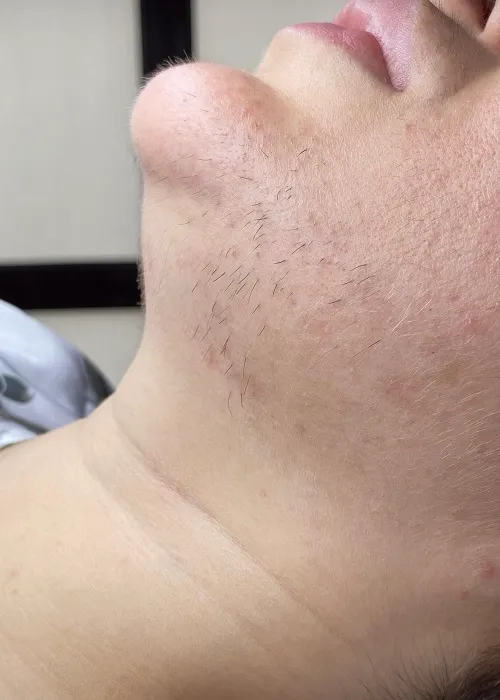
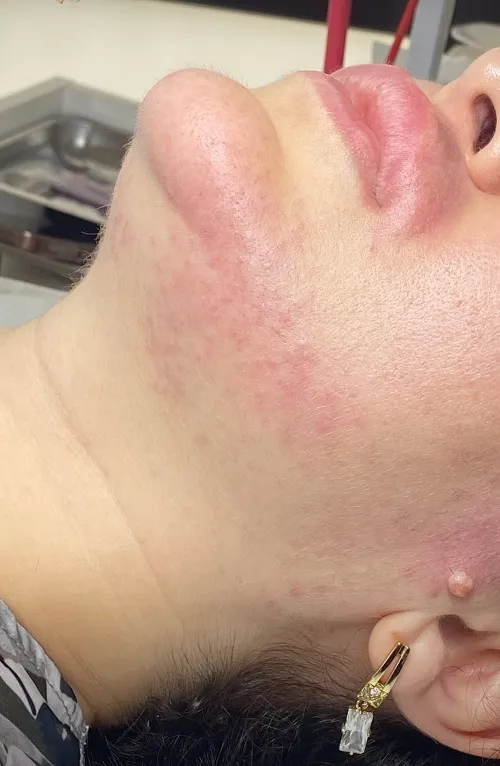
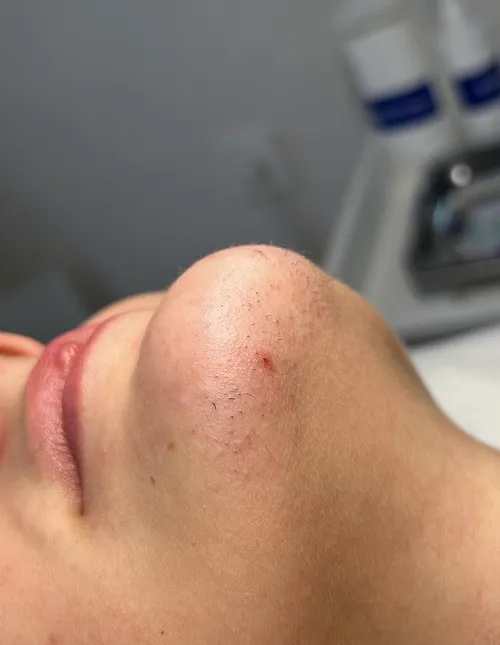
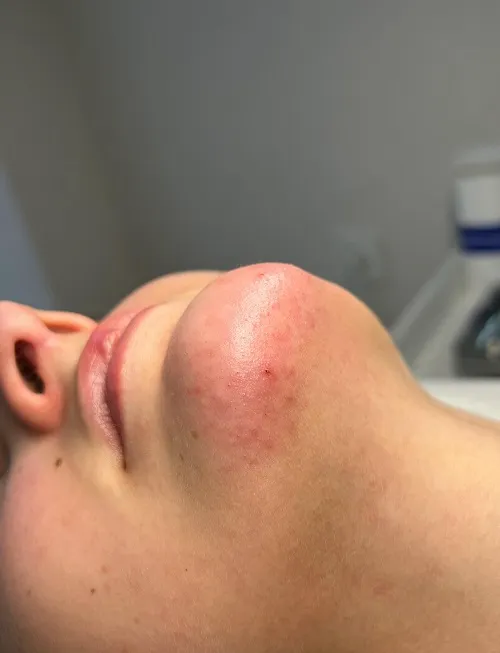
Qualified Specialists

Qualified nurse with 12 years of experience (operating room, neurology), 8 years in hospitality, and 9 years as an electrologist and beauty therapist. Combining medical expertise with aesthetic precision to deliver safe, effective, and long-lasting results
How leg electrolysis works: what to expect
Consultation and treatment plan
Your consultation starts with a detailed assessment – skin type, hair color, density, and the specific areas you want treated. From there, we build an individual treatment plan: number of sessions, intervals, and whether to address lower legs, thighs, and knees together or in stages.
The treatment session
A thin, sterile probe enters the hair follicle – not the skin itself. A brief electric current destroys the root. We apply numbing cream before treating sensitive areas like knees or inner thighs. A typical session for lower legs takes one to two hours; thighs need one and a half to three hours, depending on hair density.
Between sessions
Hair grows in cycles. Only follicles in the active growth phase (anagen) respond to treatment. Sessions run weekly or every two weeks to catch each follicle as it enters that phase. Over multiple sessions, fewer and fewer hairs return.
Aftercare
Mild redness fades within one to two days. Keep the treated area moisturized, apply sun protection before going outside – non-negotiable in Dubai – and skip scrubs for a week. No downtime. You walk out and carry on with your day.
Electrolysis vs laser for legs: which is right for you
Laser hair removal covers large areas fast and reduces hair volume – but the FDA classifies it as permanent hair reduction, not removal. For legs, laser works well as a first pass if you have dark hair and lighter skin. The catch: hair often returns within months or years, and laser cannot treat blonde, grey, or red hair at all.
Electrolysis is slower per session because it targets each follicle individually. But every treated follicle is gone for good. For people with mixed hair colors on their legs, those who have already tried laser without complete results, or anyone with a darker skin tone where certain lasers risk damage – electrolysis finishes the job. It takes more time up front. It also takes fewer retreatments, because a permanently destroyed follicle does not need a second round.